
Custom Sheet Metal Fabrication for OEM Parts & Assemblies
IN-HOUSE CORE CAPABILITY
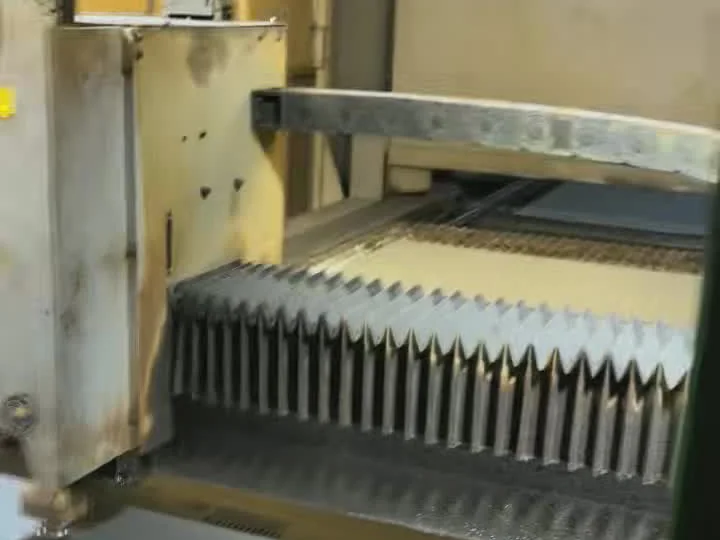
Build-to-print sheet metal parts and assemblies for industrial equipment, automation systems, enclosures and OEM products. LIUMAI coordinates laser cutting, CNC bending, welding, hardware installation, inspection and assembly from one manufacturing route.
Best-Fit Sheet Metal Projects
Enclosures & Cabinets
Electrical control boxes, equipment housings, chassis, panels, doors and mounting plates.
Brackets & Panels
Mounting brackets, base plates, cover plates, guards and structural sheet metal components.
Welded Assemblies
Equipment frames, fabricated structures and multi-part assemblies requiring welding, finishing and final inspection.
One Coordinated Manufacturing Route
Drawing review → laser cutting → CNC bending → welding / hardware → grinding and secondary work → inspection → assembly → packaging. This route is useful when a buyer wants fewer handoffs between separate suppliers.
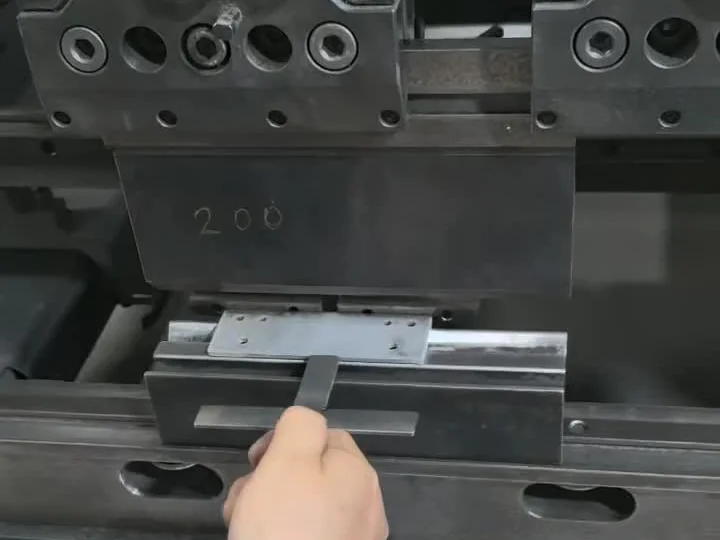
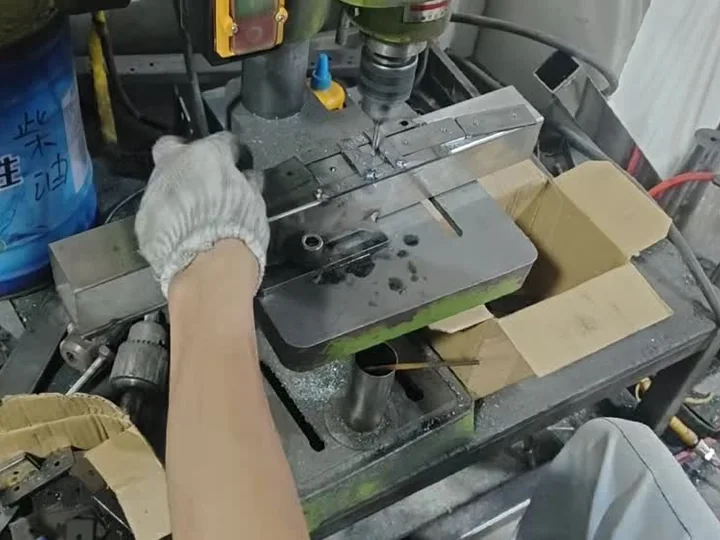
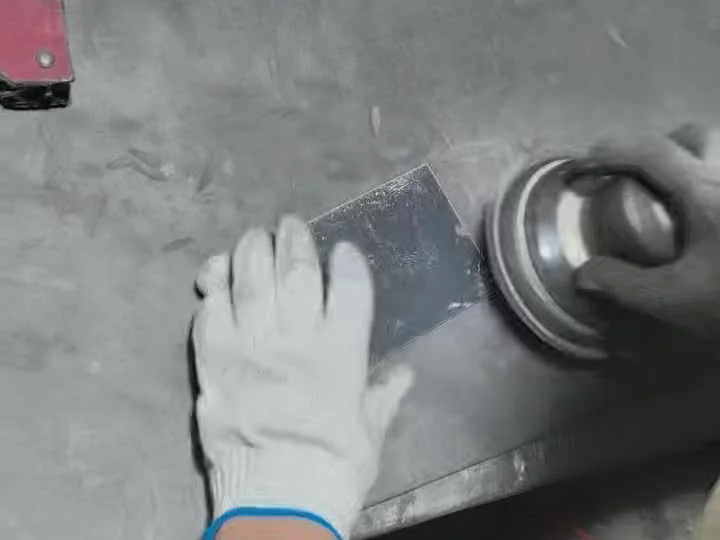
Sheet Metal Work on the Factory Floor
In-House Processes
Laser cutting · CNC bending · TIG/MIG/MAG welding · laser welding · spot welding · drilling · tapping · riveting and hardware insertion · grinding · polishing · inspection · assembly. Project-specific brushing, screen printing, laser marking, coating, anodizing and other treatments can be coordinated through qualified partners when required.
What We Need to Quote
Drawing / BOM
2D or 3D drawing, BOM or a clear sketch showing the part and assembly requirements.
Material & Finish
Material grade, thickness and required surface finish where already defined.
Quantity & Critical Requirements
Prototype or batch quantity, critical tolerances, inspection needs and target delivery requirements.
Materials
Common projects can be reviewed in carbon steel, stainless steel, aluminum, galvanized or coated sheet, copper and brass. Exact grade, temper, thickness and availability are confirmed against the drawing and sourcing requirements before quotation.
Tolerances & Inspection
General and critical tolerances are reviewed from the customer drawing and project specification. Where a tolerance or standard is not stated, the applicable requirement is clarified before production. Inspection can include first article, in-process and final inspection with measurement records where required.
From Sheet Metal Part to Finished Assembly
Projects can combine fabricated sheet metal, CNC-machined components, standard hardware, partner-supported finishing, labels or marking, functional checks where applicable, final inspection and customer-specified packaging.
Typical Products & Applications
Housings & Enclosures
Equipment housings, electrical cabinets, chassis, covers and panels. See metal enclosure capability.
Automotive Structures
Brackets, skid plates, bumper structures, steps and other fabricated components for selected automotive and off-road programs.
Medical & Industrial Structures
Frames, covers, brackets and fabricated assemblies used in medical equipment, automation and other OEM programs.
PROCUREMENT FAQ
Questions Buyers Commonly Ask
Can LIUMAI support prototypes and production quantities?
Yes. Projects can be reviewed from single-piece prototypes and low-volume trials through batch and repeat production. Manufacturing route and lead time depend on the drawing, material, quantity and finishing requirements.
Is the approximate 10 mm laser range an absolute project limit?
No. It describes the current common in-house range, not the overall project limit. Parts outside normal in-house equipment ranges can be reviewed for qualified partner-supported or hybrid manufacturing.
Can sheet metal projects include CNC parts and final assembly?
Yes. LIUMAI can combine fabricated sheet metal, CNC-machined parts, standard hardware, welding, partner-supported finishing, inspection and complete assembly in one project.
What information helps quotation?
A 2D or 3D drawing, material, quantity, finish, critical tolerances, application and assembly requirements help engineering review. If a drawing is not yet available, provide overall size, material, quantity and key requirements.